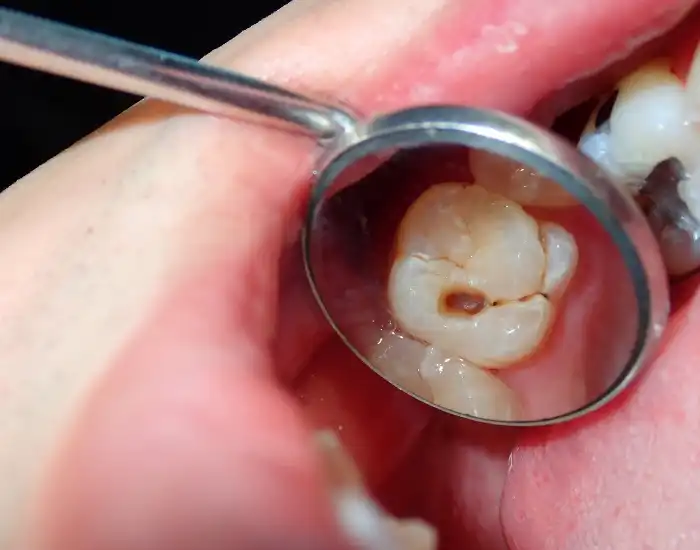
It often starts subtly. You feel a little sensitivity when drinking something cold. A dull ache comes and goes. Maybe you notice a small dark spot on a tooth. Naturally, you think, It’s just a cavity. I’ll deal with it later.
However, when the pain worsens—especially late at night—a more alarming question may surface:
Can tooth decay kill you?
At first, the question sounds dramatic. After all, cavities are common. Most people view them as minor dental issues, not life-threatening conditions. Yet in rare and extreme situations, untreated tooth decay can lead to serious health complications.
Understanding how that happens—and how easily it can be prevented—makes all the difference.
Can Tooth Decay Kill You? The Direct Answer
In the vast majority of cases, tooth decay does not become life-threatening. Dentists treat cavities every day with routine procedures.
However, in extreme cases where decay is ignored for a long time, infection can spread beyond the tooth. At that point, complications can become serious.
So while a small cavity itself does not kill, severe untreated infection can become dangerous.
The real risk lies not in the cavity—but in the infection that may follow.
What Exactly Is Tooth Decay?
Tooth decay begins when bacteria in the mouth feed on sugars and produce acid. That acid gradually erodes enamel, the protective outer layer of the tooth.
Decay typically progresses in stages:
- Enamel weakens, and small cavities form
- Decay spreads into dentin, the softer layer beneath enamel
- Infection reaches the pulp, where nerves and blood vessels are located
- An abscess may form at the root
In early stages, dentists can treat decay quickly with a filling. However, once bacteria reach the pulp, the situation becomes more complex.
How Does Tooth Decay Become Dangerous?
The danger begins when infection spreads beyond the tooth’s inner chamber.
When bacteria infect the pulp, they can form a dental abscess—a pocket of pus caused by bacterial infection.
An abscess may cause:
-
Severe, throbbing tooth pain
-
Facial or jaw swelling
-
Fever
-
Difficulty swallowing
-
Swollen lymph nodes
-
A foul taste in the mouth
If left untreated, bacteria can move into surrounding tissues. In rare cases, they may even enter the bloodstream.
At this stage, the question can tooth decay kill you becomes medically relevant.
What Happens If the Infection Spreads?
Although rare, a spreading dental infection can lead to serious conditions.
Cellulitis
A bacterial infection that spreads through facial tissues and causes swelling and inflammation.
Ludwig’s Angina
A severe infection under the tongue that can interfere with breathing and requires emergency care.
Sepsis
A life-threatening condition that occurs when the body overreacts to infection. Sepsis can lead to widespread inflammation, organ dysfunction, and shock.
While these complications are uncommon, untreated dental infections have led to fatal outcomes in extreme cases.
Therefore, although the risk remains low, the honest answer is that severe untreated dental infection can become life-threatening.
Why Most Cavities Never Become Deadly
It is important to keep this discussion balanced.
Modern dentistry prevents the vast majority of complications. Dentists routinely treat cavities with:
-
Dental fillings
-
Root canal therapy
-
Antibiotics when necessary
-
Tooth extraction in advanced cases
When patients seek care promptly, infection rarely spreads.
Problems typically arise only when:
-
Dental pain is ignored for months or years
-
Swelling goes untreated
-
Access to care is limited
-
Underlying medical conditions weaken immunity
Early treatment dramatically reduces risk.
Who Faces Higher Risk of Complications?
Certain individuals may face greater risk if infection progresses untreated, including:
-
People with diabetes
-
Individuals with weakened immune systems
-
Older adults
-
Patients undergoing chemotherapy
-
Those with limited access to dental care
In these populations, infection may spread more rapidly.
If someone experiences facial swelling or fever along with tooth pain, they should seek urgent dental evaluation.
Warning Signs That Require Immediate Attention
Not every toothache is an emergency. However, certain symptoms demand immediate care:
-
Facial or neck swelling
-
Fever with dental pain
-
Difficulty breathing
-
Difficulty swallowing
-
Rapidly worsening pain
-
Extreme fatigue with infection
These signs may indicate spreading infection.
In these cases, the priority shifts from asking can tooth decay kill you to seeking urgent treatment to prevent serious complications.
How Dentists Stop the Infection
When infection reaches the pulp, dentists act quickly to eliminate the source.
Root Canal Therapy
The dentist removes infected pulp, disinfects the root canal system, and seals the tooth. This procedure preserves the tooth while removing infection.
Tooth Extraction
If the tooth cannot be saved, removal eliminates the infection source.
Antibiotic Therapy
Dentists prescribe antibiotics when infection spreads beyond the tooth or causes swelling.
By removing the source of infection, dentists prevent further spread and restore oral health.
The Link Between Oral Health and Overall Health
The mouth connects directly to the rest of the body. When infection becomes severe, bacteria can enter the bloodstream.
Research has linked poor oral health to increased risk of:
-
Heart disease
-
Stroke
-
Pregnancy complications
-
Poor diabetes control
This does not mean every cavity causes systemic illness. However, it reinforces the importance of treating dental infections promptly.
Why Do People Delay Treating Cavities?
Many people postpone dental care for understandable reasons:
-
Fear of procedures
-
Financial concerns
-
Busy schedules
-
Assuming pain will disappear
-
Underestimating severity
Unfortunately, cavities do not heal on their own. Without treatment, they continue progressing.
Addressing decay early is almost always simpler, faster, and more affordable than managing advanced infection.
How to Prevent Severe Tooth Decay
Fortunately, prevention is highly effective.
Daily Habits
-
Brush twice daily with fluoride toothpaste
-
Floss daily
-
Limit sugary snacks and drinks
-
Drink water regularly
-
Avoid frequent snacking
Professional Care
-
Schedule routine dental exams
-
Get professional cleanings
-
Treat cavities early
-
Monitor high-risk conditions
These steps significantly reduce the likelihood that anyone will need to worry about whether tooth decay could become life-threatening.
When Tooth Pain Should Never Be Ignored
Mild sensitivity may not require emergency care. However, you should not ignore pain that:
-
Wakes you from sleep
-
Radiates to the jaw or ear
-
Causes visible swelling
-
Lasts more than a few days
-
Returns repeatedly
Even if pain temporarily improves, infection may still remain.
Early evaluation prevents escalation.
The Emotional Toll of Severe Dental Pain
Dental pain affects more than just teeth. It can disrupt:
-
Sleep
-
Concentration
-
Appetite
-
Work productivity
-
Mood
Chronic infection also places stress on the body. Treating decay promptly protects both physical and emotional well-being.
Frequently Asked Questions (FAQs)
1. Can a small cavity kill you?
No. A small cavity is not life-threatening. However, untreated decay that progresses into severe infection can, in rare cases, become dangerous.
2. How long can you leave a cavity untreated?
There is no safe timeline. Decay continues progressing without treatment. Early intervention prevents complications.
3. What is a dental abscess?
A dental abscess is a pocket of pus caused by bacterial infection inside or around a tooth. It can cause severe pain and swelling.
4. Can antibiotics alone cure tooth decay?
No. Antibiotics may control spreading infection temporarily, but dentists must remove the source of infection through procedures like root canal therapy or extraction.
5. How do I know if a tooth infection is spreading?
Signs may include swelling, fever, difficulty swallowing, neck stiffness, or extreme fatigue. Seek urgent medical or dental care if these occur.
6. Is sepsis from a tooth infection common?
No. Sepsis from dental infection is rare, especially with modern dental care. However, untreated severe infection increases risk.
7. Can tooth decay affect the heart?
Severe oral infections may increase inflammation and have been associated with heart disease. Maintaining oral health supports overall health.
Final Thoughts: The Real Risk Behind a “Simple” Cavity
So, can tooth decay kill you?
In almost all cases, no. Cavities are common and highly treatable. However, if someone ignores decay for a prolonged period and infection spreads, serious complications can occur.
The key issue is delay.
A simple filling today can prevent a severe infection tomorrow. If you experience persistent tooth pain, swelling, or fever, scheduling a dental evaluation is the safest course of action.
Taking cavities seriously is not about fear. It is about prevention, protection, and long-term health.
Medical Disclaimer: This article is for educational purposes only and does not replace professional dental or medical advice, diagnosis, or treatment. If you experience severe dental pain, swelling, fever, or difficulty breathing or swallowing, seek immediate medical or dental care.