- (281) 232-2887
- Mon–Fri: 9:00 AM – 5:00 PM
Mon–Fri 9–5Call (281) 232-2887
Why Choose Us
Choosing a dentist is about trust. Here is what patients from Rosenberg, Richmond, Sugar Land, Pecan Grove, Needville and across Fort Bend County can expect when they come to us for oral surgery.
In Detail
Any surgical procedure performed on your teeth, gums, jaws, or other oral structures is referred to as oral surgery. Extractions, implants, gum grafts, and jaw surgeries are all included. An oral and maxillofacial surgeon or a periodontist usually performs oral surgery. These are dentists who have received advanced training in oral surgery procedures.
Oral surgery procedures come in many different varieties, and many are done yearly. Tooth extraction, dental bone grafts, dental implants, periodontal surgery, corrective jaw surgery, sleep apnea surgery, and cleft lip and palate repair are among the most common. For more information, visit our Dentist in Rosenberg, contact us at (281) 232-2887, or schedule an appointment online. We are conveniently located at 2307 4th Street Rosenberg TX 77471 and we serve patients from Rosenberg TX, Sugar Land TX, and Richmond TX.
Anyone may require oral surgery for a variety of reasons. If they are experiencing:
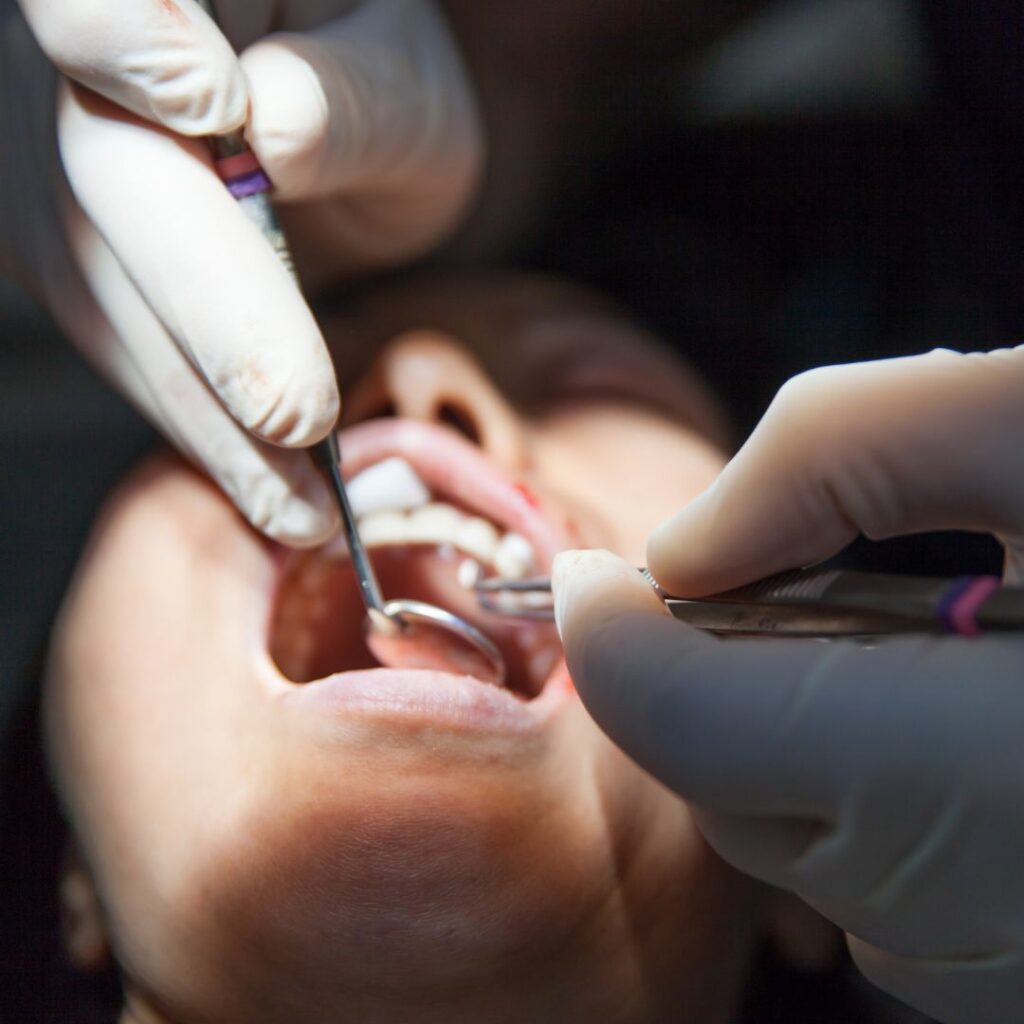
Oral surgery is sometimes performed as an outpatient procedure in a dental office. For the patient's comfort, the surgeon might offer sedation options such as nitrous oxide, oral medications, or intravenous (IV) moderate or deep sedation. Oral surgery may also be performed in a hospital under general anesthesia in some cases. In case of any emergency oral surgery is required, call us or visit us today for a consultation with our dentist.
At Rosenberg Family Smiles, our commitment to comprehensive dental care extends beyond Rosenberg, TX. Our dental clinic is conveniently located at 2307 4th Street, Rosenberg, TX 77471; we warmly welcome Rosenberg, Richmond, Sugar Land, Cumings, Pecan Grove, and surrounding residents. We prioritize your convenience with flexible scheduling options, allowing you to book appointments online or walk-in at your convenience. Your oral health is our top priority, and we're dedicated to providing you with exceptional care. Contact us at (281) 232-2887 to experience our patient-focused approach firsthand.
Oral surgical methods are suggested by dentists to patients when other forms of treatment have failed or when the patient's issue cannot be resolved by other dental procedures. Oral surgical operations are necessary for a number of conditions, such as:
One of the most frequent oral surgery procedures is tooth extraction. When a tooth is too severely damaged to be saved or when there isn't enough room in the mouth for a tooth to emerge properly, extraction methods are done to stop the progression of decay and gum disease. Without surgery, visible teeth are removed; however, if a tooth is embedded beneath the gums, surgery is frequently necessary.
Missing teeth can be replaced with dental implants. Implants are fused to the jawbone before an artificial tooth is fastened to the top to restore the patient's teeth's appearance, in contrast to dentures, which rest on top of the gums. An oral surgeon must make incisions in the jawbone and gum tissue during the implant surgery.
Bone is built up through a process called bone grafting so that dental implants can be inserted. Techniques for bone grafting are created to reconstruct bone structure with the least amount of surgery required and maximum patient comfort. Major bone grafting is typically carried out when patients need to fix jaw abnormalities. The patient's own bone, which is taken from other parts of the patient's body, is used to fix large deformities. Knee, hip, and the skull are typical donor locations. When a patient doesn't have enough bone structure to sustain and anchor an implant, little bone grafting is typically performed.
Periodontal surgery
Periodontal surgery is a dental technique used to repair teeth, gums, and bone that have been severely compromised by gum disease. The ideal periodontal surgery depends on a number of variables, including your unique situation, comfort, and spending capacity. Depending on the degree of the damage, dental implants may be necessary to replace a missing tooth in the worst cases of periodontitis. In addition, depending on the degree of bone loss, preparation work for the jawbone to support the implant may be necessary.
Orthognathic surgery, often known as corrective jaw surgery, treats skeletal issues with your jaw bones. This technique may be advised to alleviate facial imbalances, repair misalignments, or enhance chewing performance. To relieve pain brought on by TMJ dysfunction, corrective jaw surgery is frequently employed. Most of the time, oral surgery can be done without leaving any facial scars around the mouth, chin, or jaw. However, there are situations when minor incisions outside the mouth may be necessary.
When the tissues in the back of the throat recoil and block the airway while people sleep, this condition is known as obstructive sleep apnea (OSA). Conservative treatments for OSA, like using a CPAP machine or oral appliance therapy, can sometimes be effective. Surgery, however, can be necessary in severe situations.
Read the pre-op instructions thoroughly
People must make careful to study any guidelines the dentist gives before the procedure! They will learn more about anesthesia and how to get ready for it from this. Additionally, it will include any additional instructions that are particularly relevant to the given process.
Make sure to have a ride
The patient will require transportation home if they are under sedation, including nitrous oxide. Anyone operating a vehicle is dangerous due to the potential for anesthesia to impair judgment. Patients must request a ride from a friend or relative. In addition, patients can use a taxi or the public transportation system. Patients can ask the doctor's office whether it is possible for them to wait there until it is safe for them to drive if none of those options is accessible from where they reside.
Pre-purchase required medications
After the procedure, they will need to be fully recovered. Patients won't be allowed to leave the house to pick up their medications as a result. Before the procedure, make sure to stop by the pharmacy to pick up any prescriptions that are needed for the healing period.
Choose the appropriate attire
For the procedure, patients should wear comfortable attire. Avoid wearing any shirts with sleeves because nurses will require access to the patient's arms to take all the necessary vital signs, administer an IV, or check the patient's blood pressure.
Have a restful night's sleep
Prior to the treatment, it is always crucial to have a good night's sleep. If anyone wants to prevent putting pressure on the mouth while they sleep, inquire with the dentist if there are any postures they suggest.
Surgery on the mouth, jaw, and face is performed by an oral and maxillofacial surgeon. A periodontist, often known as a gum specialist, operates on the gums and supporting bones for your teeth. After graduating from dental school, oral surgeons and periodontists must complete an additional three to four years of study. Oral surgeons also referred to as maxillofacial surgeons, are skilled in all procedures involving the face. Although this kind of surgery is extremely different from dentistry, it's possible that a dentist would be the one to suggest an oral surgeon if they noticed a complicated oral problem.
What exactly does a dentist do?
Problems or concerns involving the hard and soft tissues of the face, mouth, and jaws are treated by oral and maxillofacial surgeons. They could be in charge of treating accident victims with facial injuries, managing diseases that affect the face, fixing flaws, or solving problems to enhance both function and aesthetics.
Oral surgeons conduct a variety of operations, such as:
Regardless of whether it sounds frightening, oral surgery is a routine dental operation. Oral surgery includes procedures including wisdom teeth extraction, dental implants, and prosthodontics like bridges.
The purpose of oral surgery is to enhance the mouth's functionality, health, and attractiveness. If the tooth is extremely decaying or has an affected root, the patient might need to have it extracted. Dental implant surgery or other reconstructive procedures can help restore oral health if anyone is missing one or more teeth.
Oral surgery may occasionally be carried out as an outpatient operation in a dental office. For patient comfort, the surgeon can recommend nitrous oxide, oral medicines, or mild or deep intravenous (IV) sedation. In other situations, general anesthesia may be used to perform oral surgery in a hospital. Avoid wearing jewelry and dress comfortably in loose-fitting attire for the appointment. When patients come, the crew prepares the operating room for them and gives them the anesthetic. They can’t feel pain and are kept relaxed or sleeping during the operation thanks to anesthesia.
Depending on the type of operation, oral surgery can take a long time. It can take up to two hours to complete many routine oral surgeries, such as wisdom tooth removal or dental implant surgery.
There is a chance of complications whenever we have surgery, including oral surgery. Our risk for problems can be increased by specific medical disorders. Fortunately, with a little assistance from our oral surgeon, we can lower our risk for problems.
The term "oral surgery" refers to a variety of invasive treatments used to treat issues with the teeth and jaws. The most frequent oral surgery operation is tooth extraction, while additional options include wisdom tooth removal and dental implant insertion. Each carries the potential for difficulties.
Infection
Even though oral surgery infection is uncommon, it is nevertheless possible. Post-surgical infections are more likely to occur in those with diabetes or immune system problems. Fever, unusual swelling in the affected area, pus, and a persistent unpleasant taste in the mouth are all indications of infection. Antibiotics can be prescribed by oral surgeons to treat infections.
Dry socket
Following tooth extraction, a painful condition called a dry socket may appear. When a tooth is extracted, a socket is left behind. Normally, a clot forms in this socket, protecting the exposed nerve and bone tissue until it dissolves naturally a week to ten days later. The clot prematurely dislodges in a dry socket, making the nerve more susceptible and delaying healing.
Bleeding
After a tooth extraction surgery, bleeding is frequent. Because a small amount of blood may mix with saliva and appear to be more blood than is actually present, bleeding in the mouth may appear worse than it is. Regular pressure applied to the surgical site for the first hour, typically by having the patient bite down on a piece of gauze, usually stops bleeding. The procedure might need to be repeated two or three times.
Numbness
The nerves close to the surgical site may become irritated after oral surgery. These nerves' sensitivity may be reduced or lost entirely if they are irritated, including the lip, tongue, cheek, chin, teeth, and gums. Even while any numbness that does manifest often goes away in 24 hours or less, persistent numbness is possible.
Problems with the sinuses
In the front of the forehead, close to the eyes and nose, are areas called sinus cavities. In order to keep bacteria out of the nose, the sinuses need to drain. Some upper teeth's roots are placed extremely close to the lowermost sinuses; if surgery is performed on these teeth, the tooth roots may enter the sinus cavity.
Do’s and Don’ts of Recovering from Oral Surgery
Do’s
After oral surgery, take it easy
The day before the oral surgery, rest. The body does, after all, require recovery! If patients want to lie down, they must keep their heads supported by pillows to encourage healthy blood flow to the head and lessen facial and mouth swelling. Additionally, raising the head can lessen excessive bleeding after oral surgery.
Put some ice on the face
Throughout the day, apply ice to the face to minimize swelling. The majority of dental surgeons will advise patients to alternate 15 minutes of ice with 15 minutes off.
Take the medications as directed.
Even if the patient is not yet experiencing pain, they take the painkillers as soon as the doctor instructs them to.
Additionally, be careful not to miss a dose, even if it means waking up in the middle of the night to take the painkillers.
Consume soft food
One can consume soft foods once the bleeding from the oral surgery has ceased. For the first day or two following the oral surgery, make sure to only eat soft foods or liquids. Yogurt, mashed potatoes, and soups are some examples of soft foods.
Maintain Good Oral Health
Make sure to maintain oral hygiene. While we won't want to rinse the mouth for the first 24 hours after the oral surgery, an oral surgeon will probably advise doing so on day two.
Never overwork
We have to avoid pushing ourselves too far. Going to the gym or going for a run right now is not a good idea. Don't lift anything heavy or engage in any rigorous exercise for the first several days following the oral surgery. Instead, rest and heal.
Avoid choosing hot foods or beverages.
To avoid accidentally burning the mouth, we must wait until we are no longer numb before consuming any hot food or beverages. Having a burned tongue or mouth roof should not make the oral surgery recovery more painful.
Avoid foods that are tough or crunchy
For the first 6 to 8 weeks after the oral surgery procedure, refrain from eating hard, crunchy foods like popcorn and carrots in the region where the oral surgery was performed.
Don't Floss or Brush
Till the doctor gives the all-clear, refrain from using the surgery region for tooth brushing and flossing. When starting brushing and flossing again, be sure to do so with additional caution and gentleness.
Avoid smoking for a full day
As much as possible, refrain from smoking, at least for the first day following oral surgery. Better still, give up smoking entirely to enhance general health. If anyone needs assistance quitting smoking, ask the oral surgeon.
Real Results
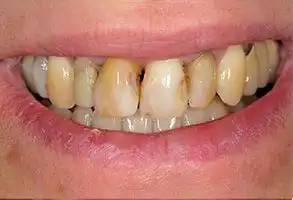
Real patient results from Rosenberg Smiles Dental. Every plan starts with a conversation about what you would like to change.
 Before
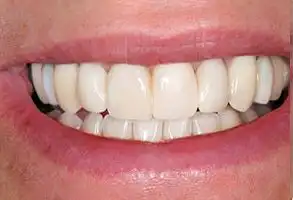 After
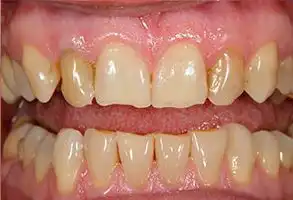 Before
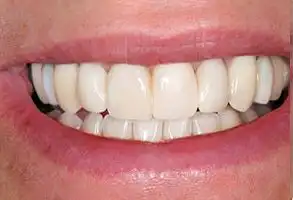 After
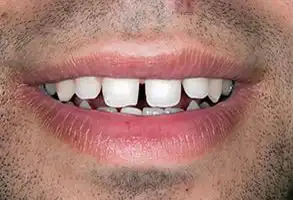 Before
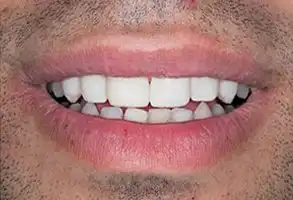 After
Results vary from case to case.
Book Your Visit
Call us, walk in, or send a message. We serve Rosenberg, Richmond, Sugar Land and the Fort Bend area.
Visit Us
| Monday – Friday | 9:00 AM – 5:00 PM |
|---|---|
| Saturday | Closed |
| Sunday | Closed |
Free parking lot outside the building
Proudly Serving
Request an Appointment
We will get in touch with you shortly. For urgent care, please call (281) 232-2887.
Book your visit
Request an Appointment
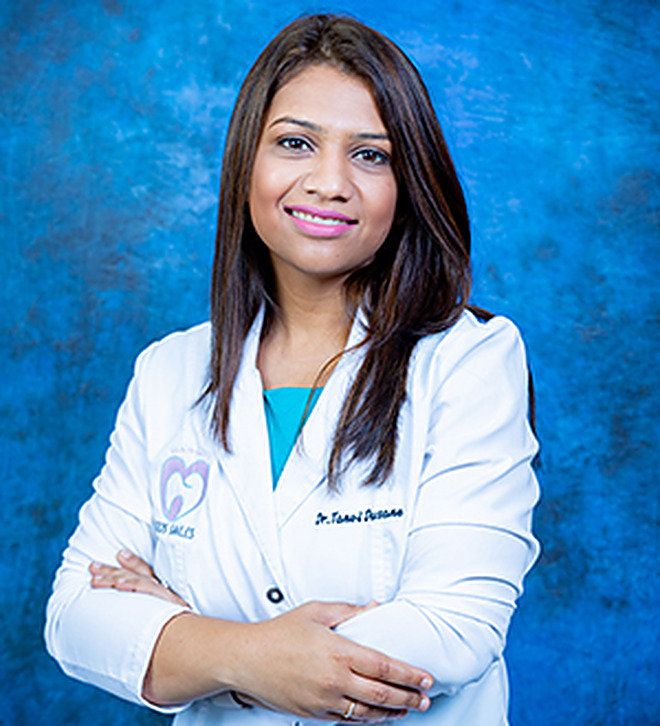
Leave your details and our team will call you back to confirm a time with Dr. Tanvi Dusane.
Prefer to talk now? Call (281) 232-2887 · Mon–Fri, 9 AM–5 PM