Quick answer
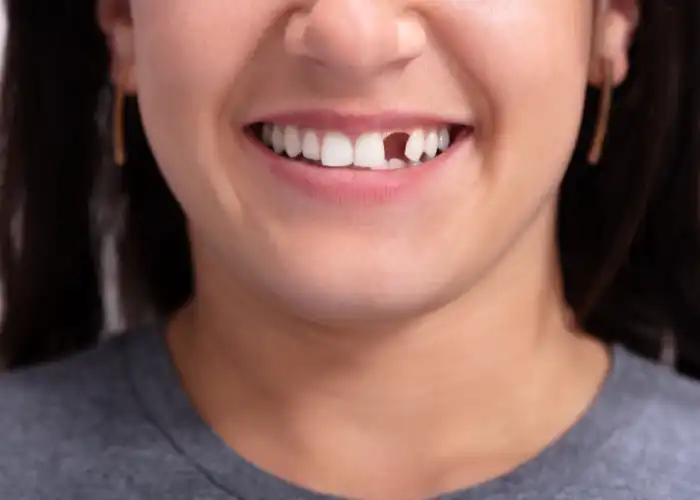
Dental implants replace missing teeth with a titanium post that acts as a new root, topped with a natural-looking crown, bridge or denture. They restore chewing, protect jawbone from shrinking and stop nearby teeth from shifting. Treatment usually takes a few months because the implant needs time to bond with the bone.
What our patients say
“I have been going to Rosenberg Smiles for years!!! They have a gorgeous office that is so clean and very modern.”Marty S.
“Very kind staff… very informative and helpful. I was in and out within an hour!”Mandy
In this article
- At a glance
- Introduction:
- What are Dental Implants?
- Benefits of Dental Implants.
- Factors to Consider Before Getting Dental Implants.
- The Procedure for Replacing Missing Teeth with Dental Implants.
- Aftercare and Follow-up for Dental Implants.
- Conclusion:
- When should you call a dentist?
- Dental care near you in Rosenberg & Fort Bend County
- Key takeaways
- Questions Rosenberg patients ask
- Sources & further reading
At a glance
| Replaces | One tooth, several teeth or a full arch |
|---|---|
| Timeline | A few months including healing |
| Benefits | Chewing strength, bone protection, natural look |
| Alternatives | Fixed bridges, partial or full dentures |
Introduction:
Dental implants are a common solution for replacing missing teeth. They are artificial tooth roots that provide a permanent base for fixed or removable replacement teeth. The implants are typically made of titanium and are surgically placed into the jawbone where they fuse with the bone over time. After the implants have bonded with the bone, an abutment is attached to the implant and a crown is placed on top. This creates a stable and natural-looking replacement tooth that functions like a real tooth. Dental implants are a great option for people who have lost one or more teeth due to injury, periodontal disease, or other reasons.
What are Dental Implants?
Dental implants are artificial tooth roots that provide a permanent base for fixed or removable replacement teeth. They are designed to look and feel like natural teeth and are a popular choice for people who have lost one or more teeth due to injury, periodontal disease, or other reasons. The implants are typically made of titanium, which is biocompatible and durable, and are surgically placed into the jawbone. Over time, the bone surrounding the implant heals and fuses with the implant, creating a strong and stable foundation for the replacement tooth. After the healing process is complete, an abutment is attached to the implant and a crown is placed on top. The crown is custom-made to match the color and shape of the surrounding teeth, making it virtually indistinguishable from the natural teeth. This creates a stable and natural-looking replacement tooth that functions like a real tooth, allowing people to eat, speak, and smile with confidence. In addition to replacing missing teeth, dental implants can also be used to support dental bridges, dentures, and other types of restorative dentistry at dentist rosenberg clinic. They are a long-lasting solution for missing teeth and can last for many years with proper care and maintenance.
Benefits of Dental Implants.
Dental implants offer several benefits over traditional methods of tooth replacement. Firstly, they provide a permanent solution for missing teeth, which eliminates the need for repeated replacements or adjustments over time. Secondly, dental implants help to preserve the jawbone, as the artificial tooth root stimulates bone growth and helps to prevent bone loss in the jaw. This helps to maintain the facial structure and prevent the sunken-in look that can occur with missing teeth. Thirdly, dental implants are designed to look and feel like natural teeth, making them virtually indistinguishable from the surrounding teeth. This enhances the smile and improves self-confidence. Fourthly, dental implants are very functional, allowing people to eat, speak, and smile with ease, as they function just like natural teeth. Finally, dental implants are easy to care for, requiring the same routine maintenance as natural teeth, including regular brushing, flossing, and dental check-ups. Overall, dental implants offer a comfortable, stable, and long-lasting solution for missing teeth, and are a popular choice for many people seeking to restore their smile and oral health.
Factors to Consider Before Getting Dental Implants.
Before getting dental implants, there are several factors to consider ensuring that the procedure is right for you:
- Oral Health: Good oral health is crucial for a successful dental implant procedure. People with gum disease or decay may need to undergo additional treatment before getting dental implants.
- Jawbone Health: A strong and healthy jawbone is needed to support the dental implants. People with weak or insufficient jawbone may need bone grafting procedures before getting dental implants.
- Lifestyle: People who engage in activities that put excessive stress on their teeth, such as bruxism (teeth grinding), may not be suitable candidates for dental implants.
- Health Conditions: Some medical conditions, such as uncontrolled diabetes, can affect the healing process and success of dental implant surgery.
- Cost: Dental implants can be expensive, and insurance coverage varies. It is important to understand the cost of the procedure and any additional expenses, such as post-operative care, before deciding to get dental implants.
Long-term Commitment: Dental implants require commitment to long-term oral hygiene and regular dental check-ups to ensure their longevity and function.
It is important to consult with a dentist or oral surgeon to determine if dental implants are the right option for you and to evaluate any potential risks and complications associated with the procedure.
The Procedure for Replacing Missing Teeth with Dental Implants.
The procedure for replacing missing teeth with dental implants typically involves the following steps:
- Consultation and evaluation: The first step is a consultation with a dentist or oral surgeon to determine if dental implants are suitable for the patient and to evaluate their oral health.
- Planning and preparation: Impressions or images of the patient’s mouth are taken to plan the placement of the dental implants. If necessary, pre-operative procedures such as gum disease treatment or bone grafting may be performed.
- Surgery: The implants are surgically placed into the jawbone. The procedure is typically performed under local anesthesia or sedation and may take several hours to complete.
- Healing and osseointegration: After the surgery, the jawbone heals and fuses with the implant over several months in a process known as osseointegration.
- Abutment placement: Once the implant has fully integrated with the jawbone, an abutment is placed on top of the implant.
- Crown placement: The final step is to place the custom-made crown on top of the abutment. The crown is designed to match the color and shape of the surrounding teeth, creating a natural-looking replacement tooth.
- Follow-up care: After the procedure, patients are given instructions for post-operative care and regular follow-up appointments to monitor the success of the dental implants.
The exact procedure may vary depending on the individual patient’s needs and the complexity of the case, but these are the general steps involved in replacing missing teeth with dental implants.
Aftercare and Follow-up for Dental Implants.
Aftercare and follow-up are crucial components for the success and longevity of dental implants. It is important for patients to properly care for their dental implants and to attend regular follow-up appointments with their dentist or oral surgeon.
Oral hygiene: Brushing and flossing regularly, as well as rinsing with mouthwash, is crucial for maintaining the health of the dental implants and surrounding gums.
- Healthy diet: Avoiding hard, crunchy, or sticky foods can help prevent damage to the dental implants and surrounding teeth.
- Regular dental check-ups: Regular dental check-ups and cleanings help to monitor the health of the dental implants and surrounding gums, and to identify and address any potential issues early on.
- Avoid smoking: Smoking can slow down the healing process and increase the risk of implant failure. Quitting or reducing smoking can help ensure the success of the dental implants.
- Protect the implants: Wearing a mouthguard when participating in contact sports or other high-impact activities can help prevent damage to the dental implants.
By following these guidelines and attending regular follow-up appointments, patients can help ensure the longevity and success of their dental implants. In case of any discomfort or issues, patients should consult with their dentist or oral surgeon as soon as possible.
Conclusion:
Dental implants provide a long-lasting and natural-looking solution for replacing missing teeth. The procedure involves surgically placing a titanium post into the jawbone, which serves as a foundation for a custom-made crown. With proper care and follow-up, dental implants can last for many years and provide a functional and aesthetically pleasing replacement for missing teeth.
While dental implants have many benefits, it is important to carefully consider all factors before deciding if they are the right choice for you. A thorough evaluation by a dentist or oral surgeon can help determine if dental implants are suitable, and what steps may need to be taken to ensure their success. With proper care and maintenance, dental implants can help improve oral health and restore confidence for people with missing teeth.
Considering implants? Visit our dental implants in Rosenberg page or call (281) 232-2887 to book with Dr. Tanvi Dusane at Rosenberg Smiles Dental, 2307 4th Street, Rosenberg, TX.
When should you call a dentist?
- Swelling in your face or neck makes it hard to breathe or swallow
- You have a high fever with facial swelling
- You had a serious blow to the head or jaw
- Pain is severe or keeps you awake
- A tooth is knocked out or broken
- You notice pus, a bad taste or swollen gums
- Pain lasts more than one or two days
Dental care near you in Rosenberg & Fort Bend County
Rosenberg Smiles Dental is at 2307 4th Street, Rosenberg, TX 77471, with free parking outside. We are open Monday to Friday, 9am to 5pm, and walk-ins are welcome. Many of our patients come from these nearby communities and ZIP codes:
- Rosenberg 77471
- Richmond 77469
- Richmond / Pecan Grove 77406
- Richmond 77407
- Sugar Land 77478 · 77479
- Needville 77461
- Beasley 77417
- Boling 77420
- Wharton 77488
- Fulshear 77441
- Simonton 77476
- East Bernard 77435
See the treatment: Inexpensive dental implants in Rosenberg TX
Key takeaways
- Missing teeth can cause bone loss and shifting teeth.
- Implants act like natural tooth roots.
- Treatment usually takes a few months.
- Good oral hygiene and checkups help implants last.
- Estimates and Sunbit financing make costs predictable.
Questions Rosenberg patients ask
Where can I get dental implants in Rosenberg, TX?
Rosenberg Smiles Dental at 2307 4th Street, Rosenberg, TX 77471 plans implant treatment after an exam and X-rays.
How much do dental implants cost?
It depends on the number of implants, the restoration and any bone grafting. You get an itemized estimate, and Sunbit financing is available (minimum $500).
Am I a candidate for implants?
Most healthy adults with enough jawbone are candidates. Smoking and some health conditions may affect healing.
Do you see patients from Sugar Land and Richmond?
Yes. We serve Sugar Land, Richmond, Pecan Grove, Needville and all of Fort Bend County.
Your next step
Talk to a Rosenberg dentist today
Don't let a dental problem get worse. Dr. Tanvi Dusane and our team will explain your options clearly and give you an estimate before any treatment.
Sources & further reading
- MouthHealthy by the American Dental Association – Patient information from the ADA
- CDC – About Oral Health – Centers for Disease Control and Prevention
- NIDCR – Oral Health for Adults – National Institute of Dental and Craniofacial Research
- MedlinePlus – Dental Health – U.S. National Library of Medicine
Medical disclaimer: this article is for general information and does not replace an exam by a dentist. Reading it does not create a dentist-patient relationship. If you have an emergency, call 911.

About the dentist
Dr. Tanvi Dusane, DDS, holds a Texas state dental license, a Master’s in Public Health from Texas A&M University and post-doctoral training in Dental Public Health with the New York State Department of Health. She has completed more than 200 hours of continuing education.
Written by the Rosenberg Smiles Dental team.
Related articles

Why Are My Teeth Sensitive? Understanding the Causes and Solutions for Tooth Sensitivity
Read Article →
Will Toothaches Go Away? Understanding the Pain, Relief Options & When to See a Dentist
Read Article →